Mandala Type Font Floral Pattern Design
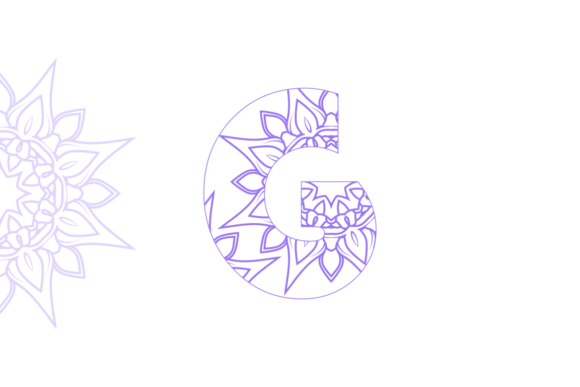
At the intersection of sacred geometry and floral elegance, a Mandala Type Font Floral Pattern Design brings together intricate circular motifs, botanical forms, and letter-inspired shapes into one cohesive visual asset. It is not merely a typeface, nor is it a standalone mandala—it is a layered pattern where each letter or symbol unfolds like a blooming petal, forming a decorative alphabet that works as repeatable ornamentation. This kind of design often arrives as a set of digital files ready to be imported into creative software, scaled without losing quality, and used across everything from personal crafts to commercial branding. For those who have just discovered this style, it can feel like uncovering a versatile tool that merges structure with ornament in a way that feels both timeless and modern.
What makes this particular offering distinct is the bundle of formats it arrives in. With a 1920 by 1280 pixel canvas and six file types—AI, EPS, SVG, DXF, JPG, and PNG—creators gain access to both editable vectors and ready-to-use raster images. The native design remains fully customizable in vector programs, while the JPG and PNG versions offer quick placement in presentations, mockups, or social media graphics. The DXF file extends its usefulness to cutting machine software, opening up possibilities for physical products like stencils, vinyl decals, or laser-engraved keepsakes. This multi-format delivery acknowledges that different users work in different ecosystems, and it removes the friction of file conversion before the first project even begins.
Why This Design Matters Across Creative Disciplines
The appeal of a mandala-infused floral alphabet goes far beyond its visual charm. For a small business owner, it might become the backbone of a logo variant or the recurring motif on packaging and hang tags. A surface pattern designer might deconstruct the letters into individual elements, rearranging petals and curves to build original repeat patterns for fabric or wallpaper. A digital scrapbooker or planner enthusiast might use the PNG version to embellish a gratitude journal or a digital sticker sheet. The same file set that a tattoo artist could use as stencil reference might be imported by an educator into a cultural art lesson plan exploring mandala traditions. The wide canvas size and scalable vectors mean it sits comfortably in both a weekend hobby project and a professional branding toolkit.
Beginners often prioritize ease of use and clarity of purpose. Having access to a ready-made composition reduces the intimidation of starting from a blank artboard. Someone new to design can open the AI or SVG file, change colors, or extract a single letter for a monogram, and quickly see polished results. Experienced users, on the other hand, may look for layer organization, clean stroke outlines, and compatibility with advanced workflows. They appreciate that the EPS format preserves editability across older software versions, while the SVG code is light enough to embed in web projects or animate with CSS. The design serves as both a learning resource and a time-saving springboard, depending on where you stand in your creative journey.
Understanding the File Formats and Their Real-World Roles
The six included formats are not just a marketing bullet point—they reflect actual needs across different tools and industries. Here’s a brief look at where each format tends to shine in practical use:
- AI (Adobe Illustrator): The master vector file. Users can edit individual anchor points, modify the floral curves around each letter, or extract isolated mandala petals to build new compositions. It supports layers and artboards, making it the preferred starting point for professional branding work.
- EPS (Encapsulated PostScript): A legacy yet widely compatible vector format. Print shops, sign makers, and older design programs handle EPS files reliably. This is often the go-to when sending artwork to a third-party printer.
- SVG (Scalable Vector Graphics): Ideal for digital use. SVG files can be opened in web browsers, cutting machine software like Cricut Design Space or Silhouette Studio (often with direct import), and open-source vector editors such as Inkscape. Their small file size and script-friendly structure appeal to web designers.
- DXF (Drawing Exchange Format): Primarily used in CAD and cutting applications. Laser engravers, CNC routers, and some vinyl plotters rely on DXF files for precise path-based output. This format bridges the gap between graphic design and physical fabrication.
- JPG (High-Resolution Raster): A flattened, background-compatible image at 1920×1280 pixels. Perfect for quick mockups, social media posts, or inserting into documents without worrying about vector compatibility.
- PNG (Transparent Raster): Same resolution as the JPG, but with a transparent background. This allows the mandala type pattern to layer cleanly over photos, colored backgrounds, or other design elements without a bounding box. Essential for digital collage and product previews.
What might matter to one user may be irrelevant to another—a crafter using a Cricut will gravitate toward the SVG and DXF files, while a print designer will live in the AI and EPS versions. The bundle respects that diversity without forcing anyone to adapt their toolset.
How Crafters and Hobbyists Approach the Design
For someone whose creative outlet is a personal passion—whether it’s card making, DIY home decor, or custom apparel—the learning curve of new software can be a barrier. A Mandala Type Font Floral Pattern Design delivered as an SVG means they can import it directly into their cutting machine software, resize it to fit a mug or a tote bag, and watch the machine cut intricate floral letters from adhesive vinyl. The transparent PNG is just as friendly: dragging it into a Canva template or a printout for coloring sheets requires no vector editing knowledge. The floral elements often hide minor cutting imperfections, which makes the result look refined even when executed by a beginner.
These users often value projects that feel meditative. Mandalas already carry a calming, reflective quality, and combining them with typography invites personalization—think initials framed by petals on a journal cover or a full name spelled out as a wall hanging. The repeat potential of the pattern means a single letter can be duplicated and rotated to create a larger decorative panel. Hobbyists who enjoy adult coloring books may also find the JPG or PNG versions useful as complex coloring bases, where they can hand-color the intricate floral shapes digitally or after printing.
Professional Designers and Brand Developers
Professionals tend to evaluate a purchase like this against project budgets, time savings, and asset versatility. The mandala type concept can anchor an identity system for a wellness brand, a yoga studio, a botanical skincare line, or a wedding invitation suite. Because the AI file retains full editability, a designer can deconstruct the letters to match a brand’s color palette, adjust stroke weights for legibility, or isolate a single floral motif to use as an icon. The EPS file can be dropped into an InDesign layout for a catalog without worrying about missing links or font embedding issues.
Speed and reliability are key here. When a client needs a cover concept for a mindfulness journal, pulling in this pattern can provide an immediate decorative framework that feels handcrafted but is technically precise. The designer can extract a letter from the AI file, place it into a composition, and add typography—the floral mandala provides an ornate counterbalance to clean sans-serif headlines. The transparent PNG also comes in handy for quick website hero image mockups where a layered effect is desired without a lengthy rendering process. For professionals who frequently need intricate, culturally inspired ornamentation, this type of asset reduces the hours spent on custom vector drawing while offering enough flexibility to never look like a cookie-cutter solution.
Entrepreneurs and Physical Product Creators
The DXF and SVG files open doors to manufacturing. An entrepreneur selling on platforms like Etsy might use the design to create laser-cut wooden ornaments, engraved acrylic signs, or stencil sets. The floral type can be scaled to fit jewelry blanks—imagine a pendant in the shape of a mandala letter—or enlarged for a decorative wall panel. Because the vector paths are precise, they translate cleanly to CNC operations. The ability to break out individual letters means the design can be sold as customized monogram pendants without additional licensing complications, depending on the usage rights provided by the seller.
Those who print-on-demand can take the high-resolution JPG or PNG and apply it to pillows, phone cases, or notebooks via services like Printful or Redbubble. The floral mandala aesthetic performs well in bohemian and nature-inspired niches, and the alphabetical element adds a personalization hook that customers often seek. A single file set becomes the source for an entire mini product line simply by adapting the letters and colors to different product mockups.
Educators and Workshop Facilitators
Art teachers and community workshop leaders might find this design useful as a template for cultural craft sessions. The mandala has deep roots in spiritual traditions, and pairing it with typography creates an accessible way to discuss symmetry, pattern making, and the intersection of language and art. The SVG can be loaded into free software like Inkscape, ensuring that students aren’t locked into expensive programs. The JPG or PNG can be printed out for tracing exercises or used as visual reference while participants draw their own mandala alphabets by hand. Educators often appreciate that the files are ready to go without additional setup, and the variety of formats means the same resource can support both digital illustration classes and hands-on printing workshops.
How to Decide If This Matches Your Project
Not every design asset fits every use case, so a quick self-check can save time and creative energy. Start by asking what final output you envision. If your goal is to produce physical goods—stickers, stencils, engraved items—the inclusion of DXF and SVG means you can move directly into production without additional tracing or conversion steps. If you primarily work in a raster environment like Photoshop or Procreate, the PNG and JPG give immediate results, though you sacrifice the deep editability of vectors. For those who need to embed the design in a branding system, the AI and EPS files provide the layers and precision required for professional refinement.
Also consider the aesthetic weight you want to bring into your work. A Mandala Type Font Floral Pattern Design carries a strong bohemian, spiritual, or ornate feel. It might not suit minimalist or corporate branding without significant modification. Yet for wedding stationery, holistic health branding, festival merchandise, or personal art journals, it can feel completely at home. Beginners may find comfort in the pattern’s dense detail because it fills space elegantly, while advanced users can deconstruct and remix the elements to create something that no one else will have.
The value of this kind of product lies not just in the number of files included, but in the diversity of access they provide. A single purchase can outfit a cutting machine project, a print layout, a digital design, and a web graphic—each from the same original source. As you consider whether to integrate this design into your own work, think about the projects you have planned over the next few months. If several of them could benefit from ornate, symmetrical, nature-inspired typographic ornamentation, the multi-format approach might be exactly what keeps your workflow flexible and your output cohesive.